Facebook Twitter LinkedIn Instagram Pintrest
Great gift ideas for Birthdays Go shop
info@nigelhoyleceramics.co.uk Contact me
Free delivery on orders £60+ up to 15 miles
Newsletter
Track Order
  • Home
  • About
    • History
    • Dô Raku Workshops
    • Classes
  • Thoughts
  • Gallery
  • Shop
    • Scipelei Pottery Homeware
      • Bowls
      • Containers
      • Drinking
      • Planters
      • Pouring
      • Relaxation
      • Serving
      • Vessels
    • Exhibition Portfolio
      • Sculpture
      • Panels
        • Abstract Series
        • Desert Series
        • Home Series
        • Iconic Series
        • Labyrinth Series
        • Landscape Series
        • Victoria Series
  • Contact
0 Wishlist 0
0 My Wishlist

No products in the wishlist.

View Wishlist

Login
My Account
Login Register

Lost password?

A password will be sent to your email address.

Your personal data will be used to support your experience throughout this website, to manage access to your account, and for other purposes described in our privacy policy.

0 £0.00 0
0 Shopping Cart

No products in the cart.

Return To Shop
Shopping cart (0)
Subtotal: £0.00

Checkout

My Collections
  • Scipelei Pottery Homeware
  • – Bowls
  • – Containers
  • – Drinking
  • – Planters
  • – Pouring
  • – Relaxation
  • – Serving
  • – Vessels
  • Exhibition Portfolio
  • Panels
    • Desert Series
    • Home Series
    • Iconic Series
    • Landscape Series
    • Victoria Series
  • Sculpture
Great gift ideas for Birthdays Go shop
info@nigelhoyleceramics.co.uk Contact me
Free delivery on orders £60+ up to 15 miles
Menu
Menu Collections
  • Home
  • About
    • History
    • Dô Raku Workshops
    • Classes
  • Thoughts
  • Gallery
  • Shop
    • Scipelei Pottery Homeware
      • Bowls
      • Containers
      • Drinking
      • Planters
      • Pouring
      • Relaxation
      • Serving
      • Vessels
    • Exhibition Portfolio
      • Sculpture
      • Panels
        • Abstract Series
        • Desert Series
        • Home Series
        • Iconic Series
        • Labyrinth Series
        • Landscape Series
        • Victoria Series
  • Contact
  • Exhibition Portfolio
    • Panels
      • Desert Series
      • Home Series
      • Iconic Series
      • Landscape Series
      • Victoria Series
    • Sculpture
  • Scipelei Pottery Homeware
    • Bowls
    • Containers
    • Drinking
    • Planters
    • Pouring
    • Relaxation
    • Serving
    • Vessels
Wishlist 0
Login
Facebook Twitter LinkedIn Instagram Pintrest
0 £0.00 0
0 Shopping Cart

No products in the cart.

Return To Shop
Shopping cart (0)
Subtotal: £0.00

Checkout

Return to previous page
Home Blog Techniques

Techniques Form

Featured image for the Techniques Form blog article by Nigel Hoyle

Techniques Form

28 October 2020 /Posted byNigel Hoyle / 867 / 0

“Turning the sketchbook into clay.” – A Teacher’s/Student’s viewpoint.

FORM

__

Form is often dictated by the technique a student wishes to use. When deciding upon form students should be exposed to a wide range of sculptural and ceramic forms to help them develop ideas based upon their own primary source material. Much can be determined by building test pieces that stand along-side the final outcome with equal importance. Indeed some of the most interesting work at exhibitions by professional sculptors can be the maquettes. I have often worked with students who produce maquettes that turn out to be far more exciting than a strictly designed form because they are discovered through process.
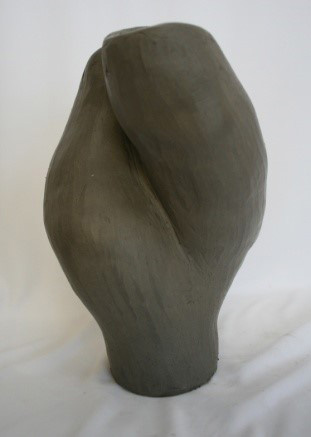
Techniques blog by Nigel Hoyle - Form, figure 3: Year 10 B-Tec based on the project brief “Totally Trees” Coil built form
Figure 3 - Year 10 B-Tec based on the project brief “Totally Trees” Coil built form

Initially, limitations occur due to impatience and the need to get something finished. I find myself constantly pulling students back, encouraging more reflection at every stage. The more time a student spends in the early stages of a form showing attention to detail the better the foundation they have to work on. This is particularly true when coiling.

This technique can produce beautiful simplicity or be as complex as a multi-faceted form though in my experience students who work with simple forms tend to be more successful provided they have control. A regular step back and a spin on the banding wheel helps to identify any imperfection in form. I always encourage students to build straight up into a cylinder to begin with until I feel they have control of the form. At this point a little creativity can transform the “pot” into the sculptural form with aesthetic value of its own.
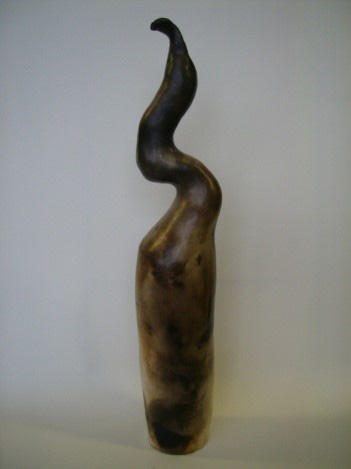
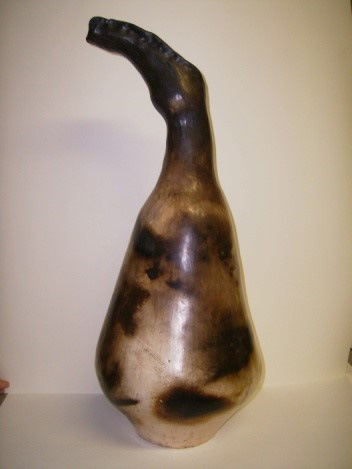
Techiques - Form, a blog by Nigel Hoyle. Figure 4a
Figure 4a – Year 12 Applied A Level coiled form based on Natural Forms
Techniques Form, a blog by Nigel Hoyle - Figure 4b
Figure 4b – Year 12 Applied A Level coiled form based on Natural Forms

Many students yearn for individuality from the moment they touch the clay and are impatient with restrictions. This usually leads to some kind of collapse and loss of confidence and interest. There is a school of thought that will argue that a student should be left to their own devices with complete freedom to do whatever they want to do. Ian Simpson says “Little formal teaching of drawing now exists and students learn to draw, if they learn at all, in almost the same way as a person learns to play a musical instrument by ear. In the same way, they learn that while they can achieve a certain facility, their lack of basic understanding of the basic principles of drawing limits them severely”. If a student is given a lump of clay and simply asked to make something without direction, the student is being set up to fail. I argue that with clear demonstrations and strict discipline in the early stages allows the student more freedom with form having mastered the technique in the first place. Recognition of the ability of each student should determine the timing and degree of freedom they can be allowed. With a little patience, form can be individualized very creatively with just a cut or join! Images from the sketchbook can then be applied to develop a truly original outcome.
Techniques - Form, a blog by Nigel Hoyle. Form figure 5a
a
Techniques Form, a blog by Nigel Hoyle. Figure 5b
b
Techniques Form, a blog by Nigel Hoyle - figure 5d
d
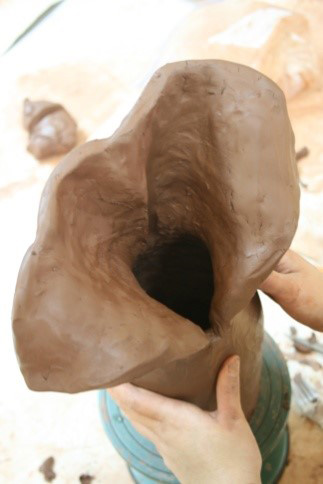
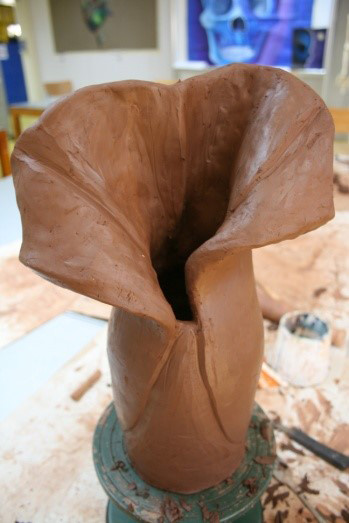
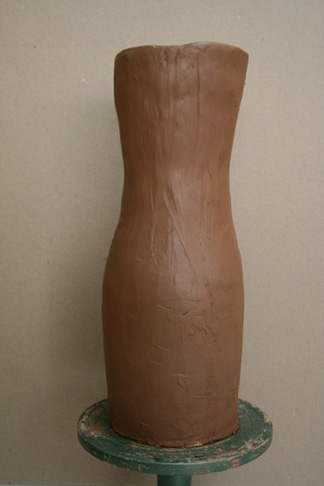
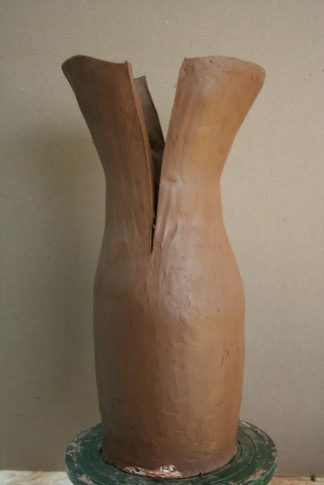
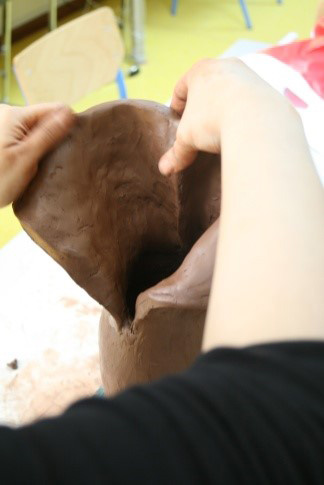
Figure 5(a,b,c,d) – Year 12 AS development piece based upon still life by Cezanne and Matisse.  A coil built vessel is cut and reformed making a flared opening that gives the structure more form.
Techniques Form, a blog by Nigel Hoyle - figure 5c
c
Techniques Form, a blog by nigel Hoyle - figure 6a
a
Techniques Form, A blog by Nigel Hoyle - figure 6b
b
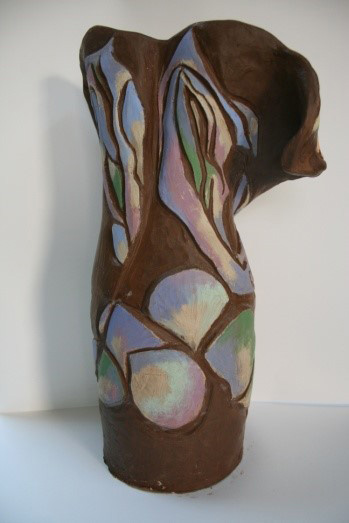
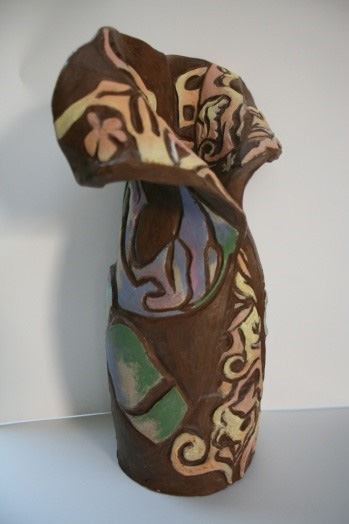
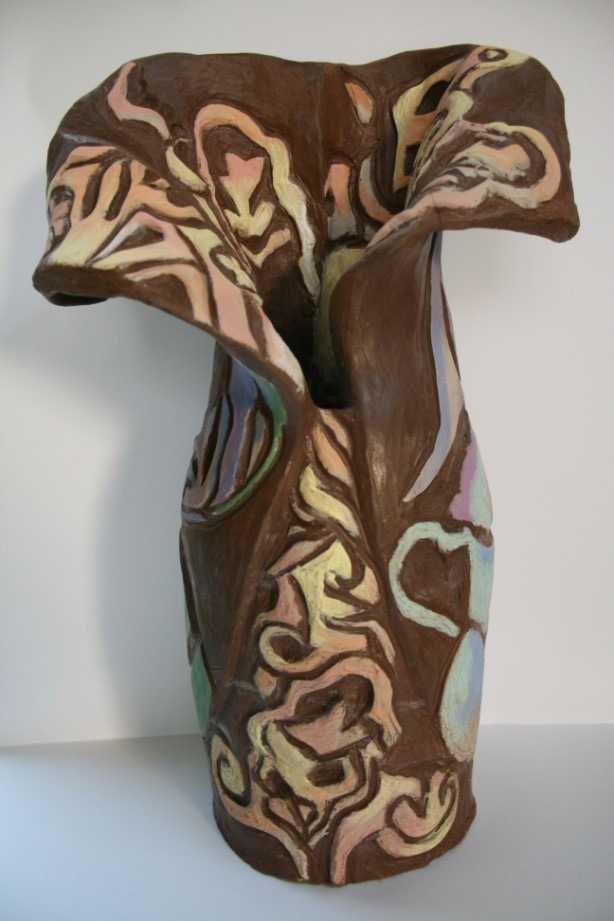
Figure 6 (a,b,c) – Year 12 AS development piece based upon still life by Cezanne and Matisse.  Studies based on Cezanne and Matisse have been drawn into specific areas of the structure and carved in relief before being painted with underglazes.
Techniques Form, a blog by Nigel Hoyle - figure 7
Figure 7 – Year 12 AS development piece based upon still life by Cezanne and Matisse
Techniques Form, a blog by Nigel Hoyle - figure 6c
c

The form of one’s piece can be determined with drawings and obviously it is preferable to be connected in some way to source material. This does not necessarily need to be the case if the focus of the development is to be realized with surface treatment or design, which will be discussed later in this text. Discussion with students about their form is essential at every stage of development, both with individuals and as a group.

It is important for students to see an artifact for the qualities and possible meanings it could portray as opposed to its utilitarian context. In opening students’ minds to a wider spectrum of thought, it is good practice to instill the rationale of aesthetic value over stereotypical functional ideas, exposing students to a wide range of examples of other art forms and ideas associated with them in addition to ceramics. These lines of enquiry should constantly be followed in the sketchbook in order to build a foundation of ideas and meanings that can be developed as influences.

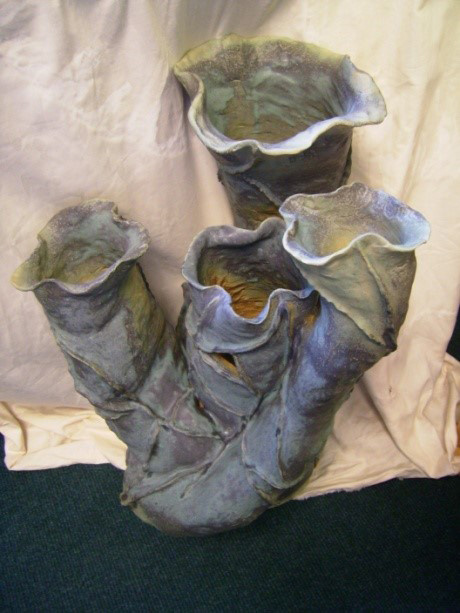
When discussing qualities of form, taking simple lines of enquiry can encourage students to ask questions and make comparisons of their own. Examples of starting points could be:

  • Masculine/feminine
  • Natural/Man made
  • Dead/alive
  • Growing/fading
  • Ebb/Flow
  • But jellies are buy cheap cialis able to act a lot quicker as they are already in a fluid form.
  • Organic
  • Monumental
  • Architectural
  • Mysterious
  • Uncomfortable
  • Rhythm
  • Rigid
  • Mechanical
  • Movement
  • Tension
  • Twisting
  • Straining
Techniques Form, a blog by Nigel Hoyle - figure 8
Figure 8 - Year 12 Applied A Level coiled form based on Natural Forms Stoneware

Encouraging this kind of dialogue enables students to make connections in the sketchbook where refinement and development can take the idea further.

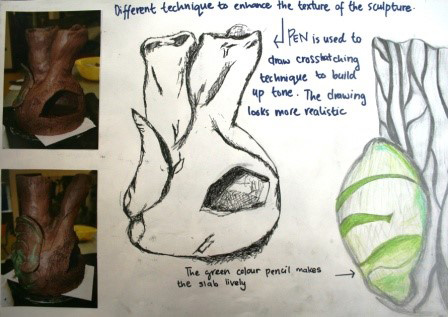
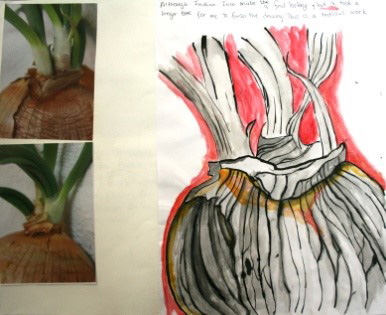
Process led form can be incredibly exciting to a student who can literally watch a technique grow. What they must do at this point is get back to the sketchbook and explore the possibilities of what they have just learned to develop forms. They now know a little about the possibilities and more importantly the limitations of the material they are using.
Techniques Form, a blog by Nigel Hoyle - figure 9a
a
Techniques Form, a blog by Nigel Hoyle - figure 9b
b
Techniques Form, a blog by Nigel Hoyle - figure 9c
c
Techniques Form, a blog by Nigel Hoyle - figure 9d
d
Techniques Form, a blog by Nigel Hoyle - figure 9e
e
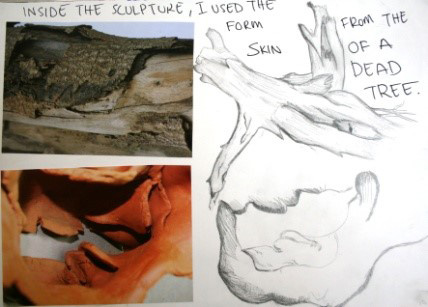
Figure 9 (a,b,c,d,e) – Year 11 Examination theme “Ordinary Extraordinary” Experimental maquettes have become part of the primary source in exploring the manipulation of a built structure.

Figure 9 shows how a student benefited hugely by allowing experimentation with coiling and slabbing techniques to lead her ideas initially. She was able to re-visit her primary sources and further develop ideas for form and surface. Figure 9e shows a slab formed vessel. The surface was formed by pushing from the inside in gradual stages. Trying to create these bulges in one movement will distress the clay and lead to holes and cracking.
Techniques Form, a blog by Nigel Hoyle - figure 10a
a
Techniques Form, a blog by Nigel Hoyle - figure 10b
b
Techniques Form, a blog by Nigel Hoyle - figure 10c
c
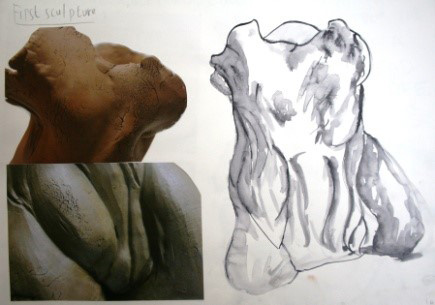
Figure 10 (a,b,c) – Year 11 Examination theme “Ordinary Extraordinary”

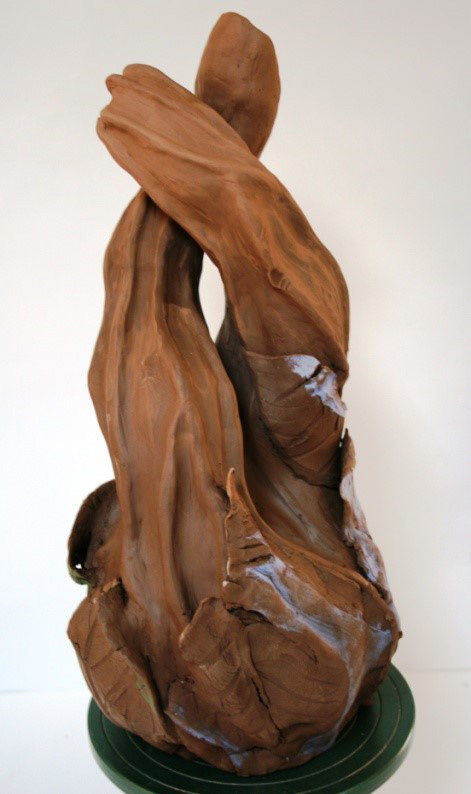
Drawing from built forms has enriched the primary source input for this project and encouraged the student to return to the sketchbook to look for more primary sources for further exploration and experimentation. The development of ideas has become more focused and leads to a genuinely exciting outcome (figure 6) where form and surface experiments are realized with sophistication and innovative endeavour.
Techniques Form, a blog by Nigel Hoyle - figure 11
Figure 11 – Year 11 Examination theme “Ordinary Extraordinary” The final outcome explores form and surface featuring organic form using coiling, slab and relief techniques.

Tags: Education
Share Post
  • Twitter
  • Facebook
  • Pinterest
  • Mail to friend
  • Linkedin
  • Whatsapp
Techniques Introduction
A blog by Nigel Hoyle Coiling Featured Image
Techniques Coiling

About author

About Author

Nigel Hoyle

Other posts by Nigel Hoyle

Related posts

Techniques Workshops article by Nigel Hoyle Ceramics
Read more

Techniques Workshops

21 February 2021 0
Here are some images from a workshop undertaken with a group of year 11 students at a West Yorkshire school. Building structures from various shapes...
Read more

Techniques Colour

27 January 2021 0
If glazes are something that are difficult to access for any number of reasons, try ordering some decorative slips and underglazes. These offer the opportunity...
Workshop slabbing techniques articles for Nigel Hoyle Ceramics
Read more

Techniques Slabbing

27 December 2020 0
A slab form can often be rigid in the form of multiple faces and used to portray simple drawings. It is particularly effective in portraying...
A blog by Nigel Hoyle Coiling Featured Image
Read more

Techniques Coiling

8 November 2020 0
In the classroom one of the most basic techniques used to build a structure out of clay is coiling. The technique is as old as...
Read more

Techniques Introduction

8 September 2020 0
Ceramics embodies all the skills needed to be an accomplished artist. There is a sense of alchemy in a material that is of the earth,...

Add comment Cancel reply

You must be logged in to post a comment.

Categories

  • Events
  • Friendly Studio
  • News
  • Products
  • Techniques

Search

Sign up to my Newsletter

Nigel Hoyle Ceramics footer logo

I create unique, handmade ceramic artworks from my studio in Shepley, West Yorkshire.  Whether you are looking for Homeware, a special decorative Panel to hang on your wall or Sculpture to sit on your sideboard, you will find something to satisfy all tastes in my Shop.

Shepley, Huddersfield, HD8 8DU
Email: info@nigelhoyleceramics.co.uk

Facebook Twitter Instagram Pinterest Linkedin Youtube

Shop

Homeware

Panels

Diptych

Triptych

Pentaptych

Sculpture

Help

FAQs

Delivery

Terms & Conditions

Privacy Policy

Cookie Policy

Comments Policy

Account

Dashboard

Orders

Downloads

Addresses

Account Details

Logout

Payments

I care about you and the safety of your purchases so all of my transactions are secured by Stripe!

Ⓒ  Created and maintained by Pro Creative 4Web  2017 - 2026

Home
Shop
Contact us
More
More
  • Home
  • About
    • History
    • Dô Raku Workshops
    • Classes
  • Thoughts
  • Gallery
  • Shop
    • Scipelei Pottery Homeware
      • Bowls
      • Containers
      • Drinking
      • Planters
      • Pouring
      • Relaxation
      • Serving
      • Vessels
    • Exhibition Portfolio
      • Sculpture
      • Panels
        • Abstract Series
        • Desert Series
        • Home Series
        • Iconic Series
        • Labyrinth Series
        • Landscape Series
        • Victoria Series
  • Contact
We use cookies on our website to give you the most relevant experience by remembering your preferences and repeat visits. By clicking “Accept All”, you consent to the use of ALL the cookies. However, you may visit "Cookie Settings" to provide a controlled consent.
Cookie SettingsAccept All
Manage consent

Privacy Overview

This website uses cookies to improve your experience while you navigate through the website. Out of these, the cookies that are categorized as necessary are stored on your browser as they are essential for the working of basic functionalities of the website. We also use third-party cookies that help us analyze and understand how you use this website. These cookies will be stored in your browser only with your consent. You also have the option to opt-out of these cookies. But opting out of some of these cookies may affect your browsing experience.
Necessary
Always Enabled
Necessary cookies are absolutely essential for the website to function properly. These cookies ensure basic functionalities and security features of the website, anonymously.
CookieDurationDescription
cookielawinfo-checkbox-analytics11 monthsThis cookie is set by GDPR Cookie Consent plugin. The cookie is used to store the user consent for the cookies in the category "Analytics".
cookielawinfo-checkbox-functional11 monthsThe cookie is set by GDPR cookie consent to record the user consent for the cookies in the category "Functional".
cookielawinfo-checkbox-necessary11 monthsThis cookie is set by GDPR Cookie Consent plugin. The cookies is used to store the user consent for the cookies in the category "Necessary".
cookielawinfo-checkbox-others11 monthsThis cookie is set by GDPR Cookie Consent plugin. The cookie is used to store the user consent for the cookies in the category "Other.
cookielawinfo-checkbox-performance11 monthsThis cookie is set by GDPR Cookie Consent plugin. The cookie is used to store the user consent for the cookies in the category "Performance".
viewed_cookie_policy11 monthsThe cookie is set by the GDPR Cookie Consent plugin and is used to store whether or not user has consented to the use of cookies. It does not store any personal data.
Functional
Functional cookies help to perform certain functionalities like sharing the content of the website on social media platforms, collect feedbacks, and other third-party features.
Performance
Performance cookies are used to understand and analyze the key performance indexes of the website which helps in delivering a better user experience for the visitors.
Analytics
Analytical cookies are used to understand how visitors interact with the website. These cookies help provide information on metrics the number of visitors, bounce rate, traffic source, etc.
Advertisement
Advertisement cookies are used to provide visitors with relevant ads and marketing campaigns. These cookies track visitors across websites and collect information to provide customized ads.
Others
Other uncategorized cookies are those that are being analyzed and have not been classified into a category as yet.
SAVE & ACCEPT